
Announcements
Discover Your Skin Type and Transform Your Beauty Routine
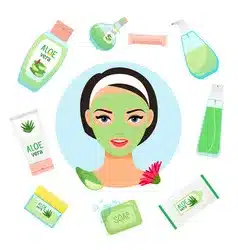
Perfect Skincare
Start Now#
Healthy Skin
Daily Routine
Essential Care
Real Results
Discover the secrets to radiant skin
View Full Guide
You will be redirected to another website.
Start Now
View Full Guide
Having radiant, healthy and balanced skin is not just a matter of luck or genetics. In fact, deeply understanding the unique characteristics of your skin is the essential first step to building a really effective care routine. Many people apply products without knowing the specific needs of their skin type, spending time and money without achieving the desired results.
The good news is that with the right knowledge and a personalized approach, anyone can transform the look and health of their skin. Let's explore together the fascinating universe of skincare, unlocking the secrets to identifying your skin type and creating a tailored routine that really works for you
The Different Skin Types and Their Unique Characteristics#
Knowing your skin type is like having a treasure map for dermatological care. Each type presents specific needs, particular challenges and responds differently to products and treatments. The traditional classification divides the skin into five main categories, each with its particularities.
Normal skin is considered the balanced type, with adequate oil production, barely visible pores and smooth texture. People with this type of skin usually have fewer dermatological problems, but still need preventive care to maintain this balance over the years.
Oily Skin: Excessive Brightness and Dilated Pores#
Oily skin is characterized by excessive production of sebum by the sebaceous glands. This results in a bright appearance, especially in the T zone (forehead, nose and chin), more dilated pores and greater propensity to the appearance of acne, blackheads and pimples. Although it can be challenging, this type of skin has the advantage of aging more slowly due to the natural protective layer of oiliness.
Warm and humid weather, hormonal changes, stress and even the use of inappropriate products can intensify oiliness. For those with oily skin, it is essential to seek oil-free products, noncomedogenic and with matifying properties that control the shine without drying excessively.
Dry Skin: Dehydration and Feeling of Tightness#
Dry skin suffers from low sebum production and difficulty retaining water in the superficial layers. This results in a constant feeling of tightness, rough texture, peeling, almost invisible pores and a greater tendency to early appearance of fine lines and wrinkles.
Factors such as cold and dry weather, very hot baths, use of harsh soaps and natural aging can aggravate dryness. Dry skin requires intense hydration, emollient ingredients and extra care to strengthen the skin barrier and prevent moisture loss.
Mixed Skin: The Challenge of Two Realities#
Mixed skin is probably the most common and challenging type of care. It has characteristics of two different types: oiliness in the T-zone (forehead, nose and chin) and normality or dryness in the cheeks and sides of the face. This combination requires a strategic approach and often the use of different products in different areas of the face.
The secret to treating combination skin is balancing conflicting needs. Very moisturizing products can increase oiliness in the T-zone, while very astringent products can further dry out the cheeks. The technique of “multimasking” (using different masks on different areas of the face) works particularly well for this type of skin.
Sensitive Skin: Reactivity and Need for Delicate Care#
Sensitive skin is not exactly a skin type, but a condition that can affect any type. It is characterized by exaggerated reactions to external stimuli, such as cosmetic products, climate change, pollution or even touch. Redness, burning, itching, peeling and burning sensation are common symptoms.
People with sensitive skin should be careful when choosing products, prioritizing hypoallergenic formulas, without fragrances, dyes or potentially irritating ingredients such as alcohol and acids in high concentrations. The ideal is always to do a patch test before applying any new product on the face.
How to Identify Your Skin Type at Home#
Determining your skin type need not be a mystery that only dermatologists can unravel. There are simple and effective methods you can perform at home to better know the characteristics of your skin and make more informed decisions about your care.
The Paper Scarf Test 📄#
In the morning, after waking up and before washing your face, gently press a clean tissue against different areas of the face for a few seconds. Watch the marks left on the paper:
- Visible oil in all areas: oily skin
- Oil only in zone T: mixed skin
- Little or no oil: normal or dry skin
- No oiliness and feeling of tightness: dry skin
The Direct Observation Method#
Wash your face with a mild mild mild soap and dry gently. Wait an hour without applying any products and watch your skin in front of the mirror in good lighting. Pay attention to how it feels and looks:
If your skin has widespread shine and visible pores, you probably have oily skin. If there is only shine in the T-zone and the cheeks look normal or dry, your skin is mixed. If you feel tightness and notice peeling, your skin is dry. If there is no discomfort or excessive shine, you have normal skin.
Building Your Custom Skincare Routine#
Once your skin type is identified, it is time to put together a care routine that meets your specific needs. An effective skincare routine does not have to be complicated or expensive, but it should be consistent and appropriate to your dermatological profile.
The Fundamental Steps of Every Skincare Routine#
Regardless of the skin type, there are essential steps that should be part of your daily routine. Consistency is more important than the amount of products, and following the correct order of application enhances the results.
Cleaning: This is the most important step of any routine. Cleaning removes impurities, makeup, pollution and excess oil accumulated throughout the day. In the morning, a light cleaning is enough; in the evening, a deeper cleaning is necessary. For oily skin, prefer specific cleansing gels or soaps. For dry skin, opt for cleansing lotions or creamy make-up milks.
Tonification: The tonic balances the pH of the skin after cleansing, prepares the skin to receive the next products and offers a first layer of hydration. Oily skins benefit from astringent tonics with salicylic acid or witch hazel. Dried and sensitive skins should seek moisturizing tonics without alcohol, with soothing ingredients such as rose water or chamomile.
Specific Treatments and Serums ✨#
After toning, it is time to apply treatment products targeted to your specific concerns. Serums are concentrated formulations that penetrate deep into the skin, offering more intense results than conventional moisturizers.
For oil and acne control, look for serums with niacinamide, salicylic acid or zinc. For deep hydration, hyaluronic acid is unbeatable. To combat signs of aging, vitamin C in the morning and retinol in the evening are the champions. For spots and tone uniformity, vitamin C, kojic acid and arbutin are excellent options.
Hydration: Essential for All Skin Types#
A common myth is that oily skin does not need hydration. In fact, all skin types need adequate hydration; what changes is the texture and formulation of the moisturizer. Skipping this step can even increase the production of oil, as the skin tries to compensate for dehydration by producing more sebum.
For oily skin, choose gel moisturizers, oil-free and with dry touch. Mixed skin can use gel in oily areas and light cream in dry areas. Dry skin requires moisturizers rich in ceramides, butters and vegetable oils. Sensitive skin should seek minimalist formulas, without fragrances and with soothing ingredients such as allantoin and panthenol.
Sun Protection: The Most Important Product of Your Routine#
If you have to choose only one skincare product to use for the rest of your life, let it be sunscreen. UV exposure accounts for about 80% of premature skin aging, as well as significantly increasing your risk of skin cancer.
Sunscreen should be applied every day, even on cloudy days or when you are indoors, as UVA rays pass through glass. The recommended amount is two fingers of face and neck product, reapplying every two hours if there is direct exposure to the sun.
Choosing the Ideal Sunscreen for Your Skin Type#
For oily skin, there are excellent protectors with dry touch, fluid texture and mattifying effect. Many contain ingredients that control oiliness throughout the day. Dry skin should seek creamier protectors, with moisturizing active ingredients incorporated. Sensitive skin benefits from physical protectors (with zinc oxide or titanium dioxide) instead of chemicals.
Do not forget to also protect the neck, lap, hands and any other area exposed to the sun. These areas often reveal the actual age of a person, as they are often neglected in the routine care.
Powerful Ingredients and Their Proven Benefits#
The skincare market is full of promising ingredients, but some have scientifically proven effectiveness and are worth highlighting in your routine. Knowing these components helps you make smarter choices when selecting products.
Hyaluronic Acid: The King of Hydration#
Able to retain up to a thousand times its weight in water, hyaluronic acid is one of the most effective moisturizers available. It is naturally produced by our body, but this production decreases with age. When applying it topically, you replenish this substance, providing deep hydration, filling fine lines and increasing skin elasticity.
Vitamin C: Antioxidant and Illuminator#
Vitamin C is a powerful antioxidant that protects the skin from free radical damage, stimulates collagen production, brightens dark spots and evenens skin tone. For best results, use in the morning, before sunscreen, potentiating protection against environmental damage.
Retinol: The Anti-Age Gold Standard#
Derived from vitamin A, retinol is considered the most effective anti-aging ingredient available without a prescription. It accelerates cell renewal, stimulates collagen production, reduces fine lines and wrinkles, uniforms skin tone and unclogs pores. It should be used at night, always followed by sunscreen during the day, as it increases sensitivity to the sun.
Niacinamide: The Versatile Multitasking#
Niacinamide (vitamin B3) is suitable for virtually all skin types. It controls oiliness, minimizes pores, reduces redness and inflammation, brightens dark spots, strengthens the skin barrier and improves skin texture. It is rare to cause irritation and can be used in conjunction with most other active ingredients.
Common Mistakes That Sabotage Your Skincare Routine#
Even with good intentions, many people make mistakes that compromise the effectiveness of their skin care routine. Identifying and correcting these slips can make all the difference in the results you get.
Use Many Active Products Simultaneously#
In the craving for quick results, it is tempting to use several potent products at once. However, this can overload the skin, causing irritation, redness and even damaging the skin barrier. The ideal is to introduce new assets gradually, one at a time, waiting a few weeks before adding another.
Not Remove Makeup Properly#
Sleeping with makeup is one of the worst habits for skin health. Over the night, the skin performs important processes of renewal and repair. The presence of makeup obstructs these processes, clogs pores and accelerates aging. Invest in a double cleaning: first with a makeup remover (oil or micellar water), then with your usual facial soap.
Neglecting the Neck and Colo#
These areas are often forgotten, but show signs of aging as early or earlier than the face. Extend all the products you apply on the face also to the neck and lap, using upward movements. Do not forget the sunscreen in these regions, especially if you use necklines.
The Importance of Consistency and Patience#
One of the biggest challenges of skincare is to maintain consistency. Unlike aesthetic treatments in clinical settings that offer more immediate results, home-use products require time and regular application to show significant results.
Most dermatologists recommend using a product for at least 8 to 12 weeks before evaluating its effectiveness. The skin cell renewal cycle takes about 28 days, and deeper changes in skin structure take even longer to manifest visibly.
Creating Sustainable Habits#
For your skincare routine to be sustainable in the long run, it needs to be realistic and fit your lifestyle. It is better to have a simple routine that you actually perform every day than a complex routine that you abandon after a few weeks. Start with the basics: cleaning, moisturizing and sun protection. Over time, you can add other steps and products as you feel the need.
Make your products visible in the bathroom as visual reminders. Associate the skincare routine with other established habits, such as brushing your teeth. Take photos of progress monthly, as gradual changes are difficult to notice when you look in the mirror every day.
When to Seek Professional Help#
While it is possible to build an excellent skincare routine on your own, there are situations where professional guidance is essential. A dermatologist can diagnose skin conditions that go beyond aesthetic issues and prescribe more potent treatments when needed.
Seek a dermatologist if you have persistent acne that does not respond to conventional treatments, spots that change appearance or grow, constant irritations with no apparent cause, or if you simply want an accurate diagnosis of your skin type and personalized recommendations. Procedures such as chemical peels, laser and microneedling can enhance the results of your home routine.

Transform Your Skin, Transform Your Trust 🌺#
Taking care of your skin goes far beyond superficial vanity. It is an act of self-care that directly impacts your self-esteem, health and overall well-being. When you feel good about your skin, it is reflected in your posture, the way you relate to others and the confidence you project into the world.
Remember that perfect skin does not exist in reality 'IT is a concept created and perpetuated by filters and digital editing. The goal of a good skincare routine is not to achieve unreal perfection, but rather to have a healthy, balanced and radiant skin in its own uniqueness. Pores, textures and small imperfections are completely normal and do not diminish its beauty.
Knowing your skin, your needs and how it reacts to different products and conditions is a continuous journey of learning and adjustments. Don't be discouraged if something doesn't work; skincare is highly individual and may require experimentation until you find what really works for you.
Your skin is the largest organ in your body and deserves proper attention and care. By investing time and dedication into a personalized routine, you are not only improving your appearance, but also protecting your long-term health and cultivating a more positive relationship with yourself. Start today your journey towards healthier, radiant and confident skin!
Continue reading
You might like it too

How to receive and interpret your love letter correctly
Redeem the Magic of Love Letters in the Digital Age In a world dominated by instant messaging and emojis, there is something deeply.

Choose your card: the universe wants to talk to you
Discover the messages the universe has for you Have you ever felt that sense that something bigger is trying to communicate.